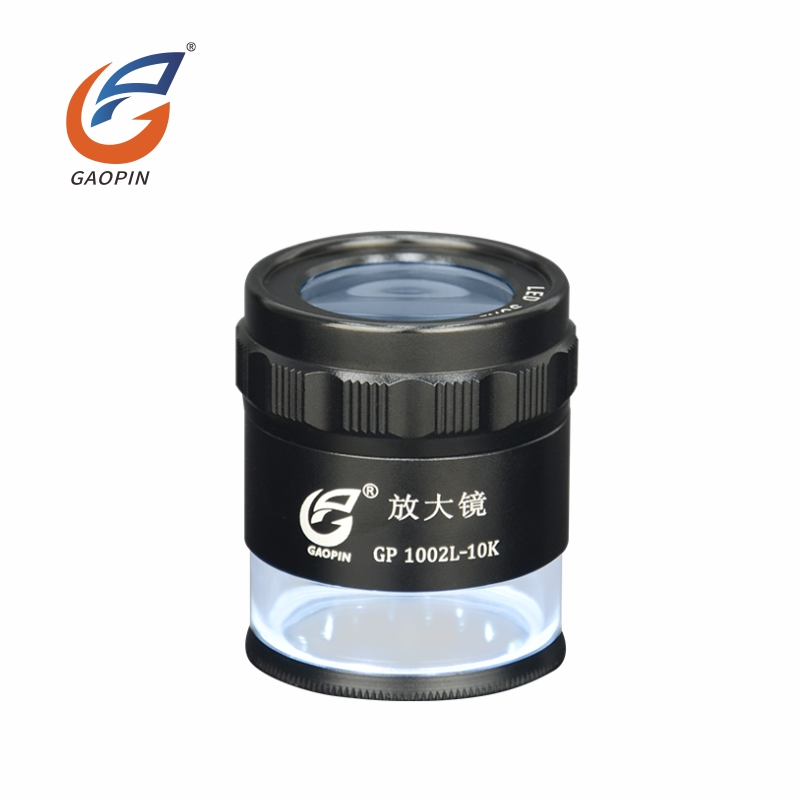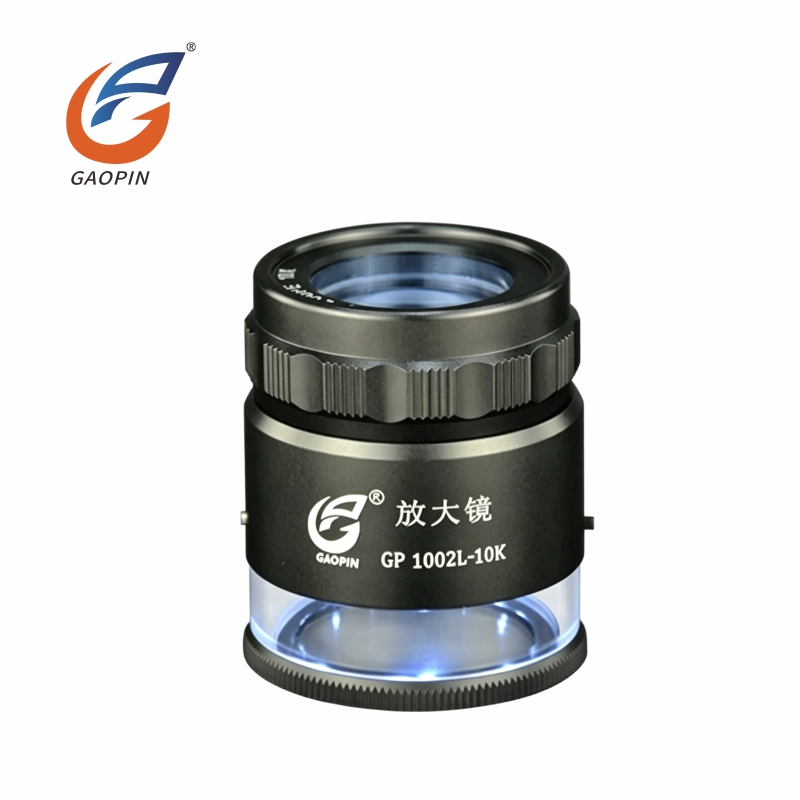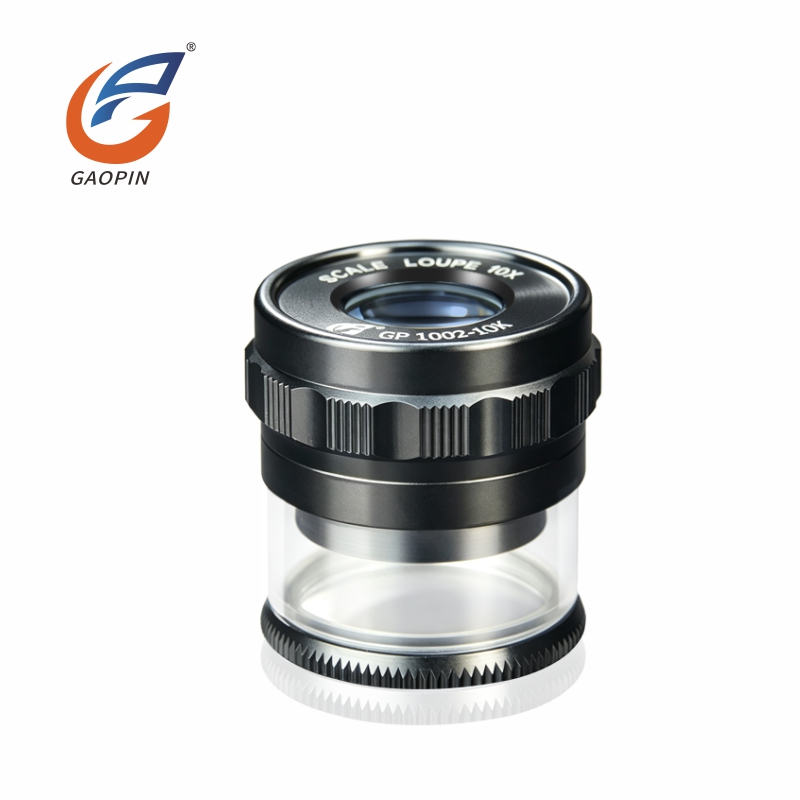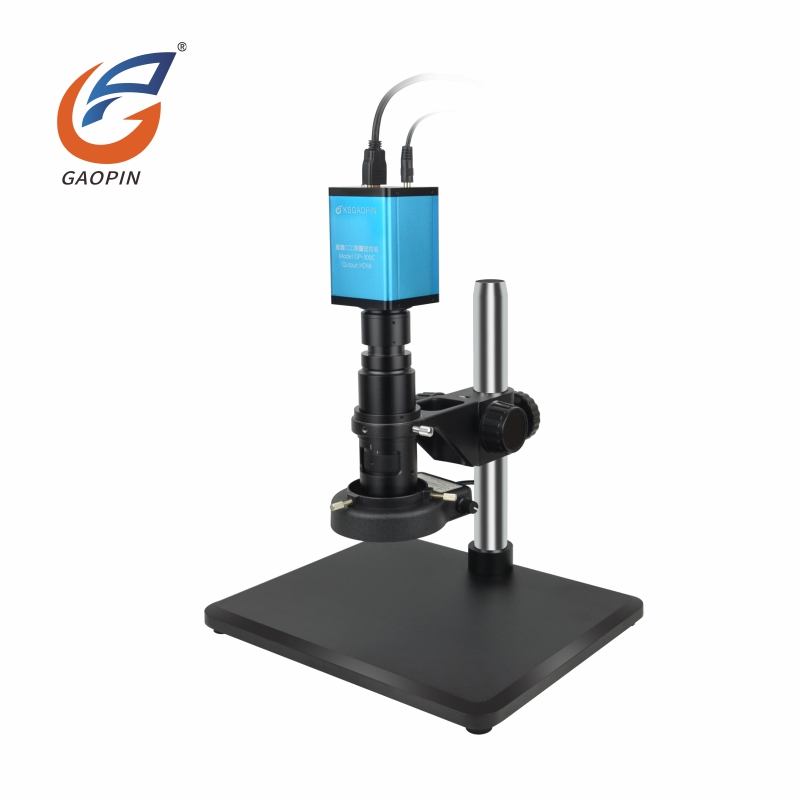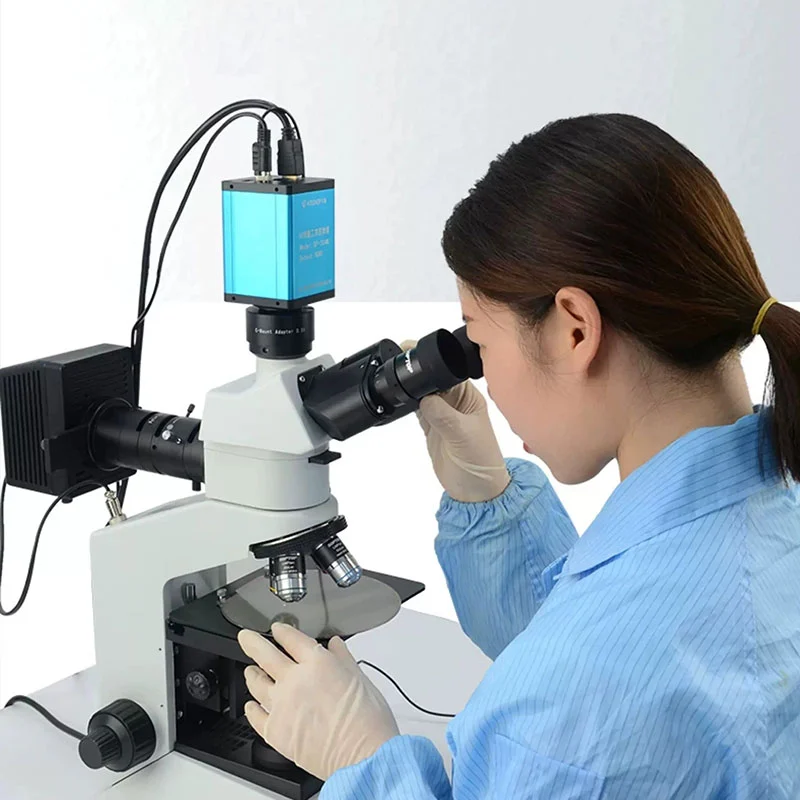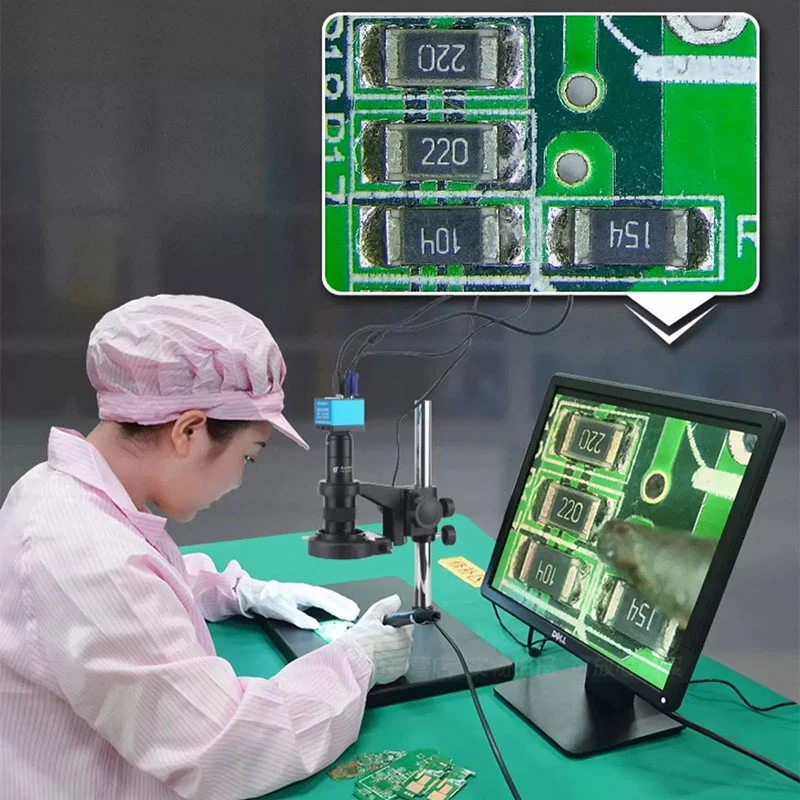
Gaopin Industrial Inspection Magnifiers are designed for quick visual examination of small features on electronic components, printed circuit boards (PCBs), precision hardware, jewelry, textiles, printed materials, and other objects that require close inspection. Depending on the model, a magnifier may use a handheld body, an illuminated lens assembly, or a base-mounted structure to support different inspection environments.
Magnifiers are useful for identifying visible scratches, surface irregularities, printing defects, small cracks, and other features that can be distinguished through optical enlargement. They are commonly used for preliminary screening, maintenance, and routine visual checks. Their suitability depends on the lens specification, magnification, field of view, working distance, lighting conditions, and the size of the feature being inspected.
Unlike an industrial microscope, a conventional magnifier does not normally provide a calibrated measurement system or digital image-recording function. Buyers who need repeatable dimensional measurements, image archiving, or detailed microstructure analysis should evaluate a suitable microscope or measuring instrument.
Gaopin magnifier configurations can be selected according to portability, illumination requirements, and how the tool will be positioned during inspection. Exact lens specifications, lighting functions, power options, and included accessories should be confirmed for the selected model.
Handheld magnifiers are suitable for mobile inspection tasks where operators need to move between workstations or examine parts directly at the point of use. They can be used for checking labels, printed details, small components, surface marks, and visible assembly defects. Lens diameter, magnification, handle design, and working distance affect ease of use during repeated inspection.
Illuminated handheld magnifiers combine optical enlargement with an integrated light source on compatible models. Additional illumination can improve visibility when ambient lighting is insufficient or when the target surface produces low contrast. LED placement, brightness, power supply, and battery arrangement should be considered when selecting a model for workshop or field use.
Rechargeable models can reduce the need for disposable batteries during routine inspection. Before purchasing, confirm the battery type, charging interface, operating time, charging time, and supported lighting modes. Continuous illumination time depends on the battery capacity, light intensity, circuit design, and operating conditions.
Base-mounted or bracket-supported configurations can help maintain a more consistent viewing position during bench inspection. They may be useful when operators need both hands available to handle a sample or component. Buyers should check the mounting arrangement, base footprint, adjustment range, and compatibility with the intended work surface.
The correct magnifier is determined by the inspection target rather than magnification alone. A higher magnification can make small features easier to examine, but it may also reduce the field of view and make positioning more sensitive. The following factors help buyers compare configurations for practical use.
When the inspection task is uncertain, provide the supplier with a photograph of the target feature, the approximate object dimensions, the smallest detail to be identified, and the intended working environment. This information can help narrow down the required magnification and lens configuration before ordering.
Magnifiers can help technicians inspect solder joints, connector pins, printed markings, small electronic components, and visible surface defects. Illuminated models may be useful for checking parts in areas where ambient light is limited. Applications involving fine-pitch components or defects that cannot be reliably distinguished with a handheld lens may require a stereo or digital microscope.
During incoming inspection or production-line checks, magnifiers can support visual examination of small machined parts, fasteners, molded components, and assembled products. They are suitable for preliminary checks of visible scratches, burrs, surface contamination, and obvious defects. Acceptance decisions involving defined dimensional tolerances should use an appropriate measuring instrument and inspection procedure.
Magnifiers can help users examine surface texture, finishing marks, setting details, printed labels, and other visible characteristics of jewelry or decorative objects. Optical enlargement can assist visual comparison, but it does not independently establish gemstone identity, authenticity, composition, or market value. Those assessments may require specialized testing or qualified evaluation.
For textile and printing applications, a magnifier can help examine fabric weave, fibers, print registration, halftone dots, small characters, and surface irregularities. Lens diameter and field of view are particularly relevant when the operator needs to compare a small detail with the surrounding pattern.
Portable magnifiers can be used for quick checks of labels, product markings, small mechanical features, and visible surface conditions in warehouses, workshops, laboratories, and outdoor work areas. Integrated lighting may be useful where the inspection location does not provide consistent illumination. The product's environmental suitability, battery arrangement, and handling requirements should be checked before use in demanding conditions.
Image clarity depends on lens quality, lens condition, magnification, viewing distance, focus, and ambient lighting. Optical enlargement makes an object appear larger, but it does not create detail that the lens cannot resolve. For inspection tasks involving very small defects, buyers should evaluate whether the magnifier can distinguish the target feature under realistic operating conditions.
Illumination is another important factor. Integrated LED lights can improve visibility when the work area is dim, but the effect depends on the light position, brightness, and reflectivity of the sample. Highly reflective surfaces may produce glare, while transparent or translucent materials may require a different viewing angle. A sample check under the intended lighting conditions can help determine whether the proposed configuration is suitable.
For rechargeable models, operating time and heat generation depend on the electrical design, battery capacity, light intensity, and continuous-use conditions. Follow the product's operating instructions, use the specified charging equipment, and switch off the light when it is not required. Continuous operation should only be used where permitted by the applicable product instructions.
Dust, fingerprints, and residue can reduce contrast and make small features harder to distinguish. Before cleaning a Gaopin magnifier, remove loose particles with a suitable optical cleaning tool. If further cleaning is necessary, use lens tissue and a cleaning solution approved for the specific lens and coating.
Avoid paper towels, ordinary cloths, abrasive materials, and excessive pressure, which may scratch the optical surface or damage a coating. Do not assume that anhydrous alcohol or another solvent is suitable for every lens; confirm compatibility with the product's cleaning instructions before use.
For illuminated models, keep the electrical components and charging connections dry unless the product is specifically designed for the relevant exposure. Use the specified power source and charging equipment. Stop using the device if the battery, housing, or light source shows abnormal heating, damage, or other signs of malfunction.
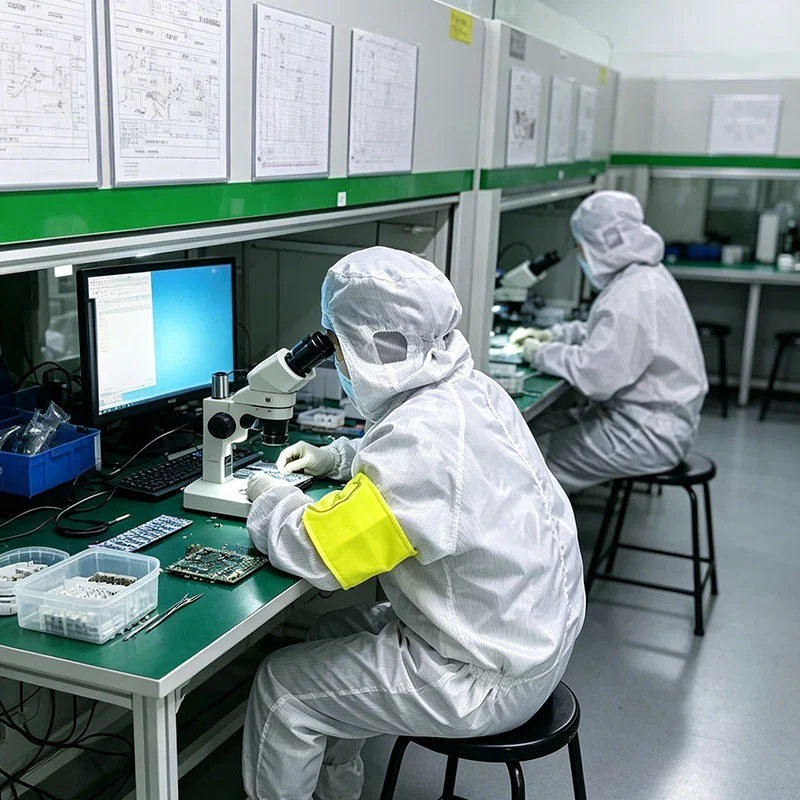
Gaopin magnifier production may involve optical component preparation, lens assembly, housing fabrication, LED installation, electrical checks, and finished-product inspection. Manufacturing resources and procedures should be evaluated against the requirements of the selected model rather than assumed to be identical across all configurations.
Relevant quality checks may include visual inspection of the lens, magnification or optical performance verification, lighting function checks, and operating tests. For rechargeable models, battery and charging checks should follow the applicable product requirements. The specific tests performed and any available records should be confirmed for the product being purchased.
Customization may be available for selected housing designs, branding, packaging, or lighting arrangements, subject to engineering feasibility and order requirements. Changes to the lens, housing, light source, or power system can affect optical performance, ergonomics, heat generation, and compatibility. Confirm the final specification and validation requirements before approving a customized order.
Where the magnifier will be used for a defined quality-control task, sample photographs and the inspection criteria can help establish whether optical enlargement is sufficient or whether a microscope or measuring instrument is more appropriate.
For projects involving structural modifications, the indicative sample preparation period is 7–12 working days. Mass production typically takes 15–25 working days after sample approval. Actual timing depends on the housing design, lighting requirements, component availability, order quantity, and customization scope. Confirm the production schedule in the quotation before placing an order.
Logo-free stock prototypes may be available for small-batch trial orders, subject to model and inventory availability. Before requesting samples, confirm the magnification, lens configuration, illumination, power arrangement, included accessories, sample charges, and shipping costs. A trial unit should be checked against the intended production specification before bulk approval.
For bulk orders, confirm the model number, approved sample, product specification, packaging, payment terms, shipping arrangement, inspection requirements, and expected dispatch date. Any required quality documents or battery-related documentation should be agreed upon in advance and confirmed as applicable to the selected model.
A magnifier is commonly used to enlarge small visible features during routine inspection, maintenance, and preliminary screening. Typical tasks include examining printed details, electronic components, textile patterns, jewelry surfaces, and visible defects on small parts. Applications requiring calibrated measurements or detailed microstructure analysis may need specialized equipment.
Start with the smallest feature that must be observed, then consider the lens diameter, field of view, working distance, and lighting conditions. Higher magnification is not always preferable because it may reduce the visible area and make positioning more sensitive. If possible, evaluate a representative sample before confirming the model.
A conventional optical magnifier is intended primarily for visual observation and does not normally provide calibrated dimensional measurement. Accurate measurement requires an appropriate instrument, a calibrated scale or measurement system, and a defined method. Confirm the required tolerance before choosing the equipment.
A conventional optical magnifier does not normally include image-recording functionality. If image capture, monitor display, or file storage is required, consider a compatible digital microscope or another imaging system. Confirm the camera, interface, software, and recording functions for the selected product.
Lighting depends on the model. Some magnifiers may include integrated LED illumination, while other configurations may use ambient light. Confirm the light source, brightness adjustment, power supply, and included accessories in the product specification.
Continuous operation depends on the model's electrical design, power source, thermal management, and operating instructions. Rechargeable handheld models may have limited operating time per charge. Follow the specified operating and charging instructions rather than assuming every model supports uninterrupted long-duration use.
Remove loose dust with a suitable optical cleaning tool. If needed, use lens tissue and a cleaning solution approved for the specific lens and coating. Avoid paper towels, ordinary cloths, abrasive materials, and unverified solvents. Follow the manufacturer's cleaning instructions to reduce the risk of scratching or coating damage.
For projects involving structural modifications, the indicative sample preparation period is 7–12 working days, followed by a typical mass production period of 15–25 working days after sample approval. The final schedule depends on the customization scope, order quantity, and component availability. Confirm the committed dates in the quotation.
Branding and packaging options may be available depending on the model, order quantity, and customization requirements. Confirm logo artwork, packaging specifications, minimum order quantity, sample approval, and any additional lead time before production begins.